The Modular Workspace Revolution: Why Expandable Container Offices Are Becoming Mainstream
Expandable Container Offices The Modular Workspace Revolution: Why Expandable Container Offices Are Becoming Mainstream The Modular Workspace Revolution: Why Expandable Container Offices Are Becoming Mainstream
The Modular Workspace Revolution: Why Expandable Container Offices Are Becoming Mainstream
Section 1: Market Disruption in Progress
The global prefab office container market has grown from $1.2B in 2022 to $4.7B in 2025 (Global Market Insights), with expandable models capturing 38% market share. This surge correlates with:
-
Hybrid Work Policies: 63% of tech companies now subsidize home office upgrades
-
-
Urban Density Challenges: 72% of buyers cite "lack of buildable space" as primary motivator
-
-
Disaster Resilience: FEMA-approved models gained traction after 2024 hurricane season
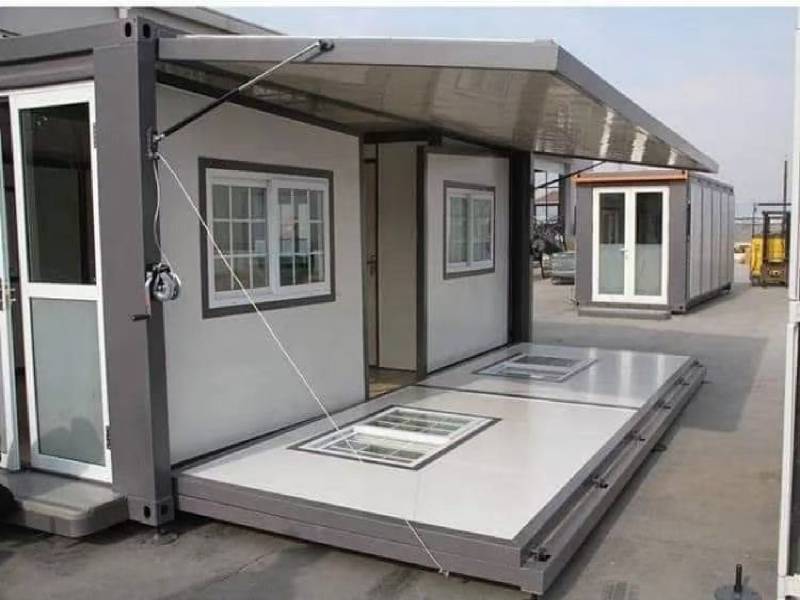
Section 2: Engineering Innovations Driving Adoption
Leading manufacturers like Modular Solutions Inc. now integrate:
-
Structural Enhancements
-
-
Corrugated Corten steel walls (50-year lifespan)
-
-
Hydraulic expansion systems (deploys in <90 minutes)
-
-
-
Smart Office Features
-
-
Built-in LiDAR for AR workspace customization
-
-
AI climate control via cross-ventilation algorithms
-
"Our 20ft model achieves Passive House certification—something impossible with traditional site-built offices," explains Dr. Elena Rodriguez, MIT Urban Systems Lab.
Section 3: Real-World Impact
Case Study: Seattle Consulting Firm
After implementing six linked containers as satellite offices:
-
Reduced commute times by 11.5 hours/employee weekly
-
-
92% staff retention rate (industry average: 73%)
-
-
$287,000 annual real estate savings
Regulatory Landscape
Recent ICC code updates (Section 3112) now standardize:
-
Electrical/plumbing requirements for expandable units
-
-
Fire safety ratings for multi-module configurations
-
-
Accessibility compliance thresholds
Future Outlook
With 3D-printed interiors entering pilot phases and Walmart testing pop-up container offices for rural employees, industry analysts predict:
-
19% CAGR through 2030
-
-
Asia-Pacific becoming largest market by 2027
-
-
Insurance providers offering dedicated policies